Disaster: What's Coming?
Alright, let's dive into this. The headlines are screaming about Hurricane Melissa's devastation across the Caribbean, but the real story, as always, is buried beneath the surface. It’s not just one storm; it's a cascade of calamities hitting islands that haven't even finished patching themselves up from the last one. The article I’m looking at calls it a "compounding disaster trap," and frankly, that sounds about right.
Infrastructure, Economics, and People: A Triple Threat
The core argument here is that the Caribbean isn't just dealing with more frequent hurricanes (we can all agree on that); it's that the recovery time is now longer than the interval between major storms. Simple math, really. If it takes a year to rebuild, and a hurricane hits every nine months, you're perpetually behind.
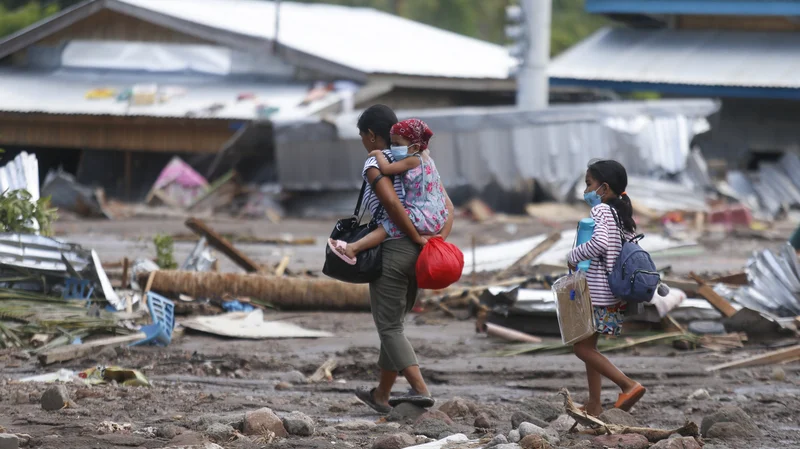
This leads to three interconnected problems: infrastructure collapse, economic debt spirals, and social erosion. Take infrastructure. A Category 5 storm hitting a power grid still limping from the last Category 4? You're looking at a total system failure. Power goes out, water pumps stop, hospitals go dark. It's not just damage; it's a domino effect. Grenada after Hurricane Beryl and Dominica after Hurricane Maria are cited as examples.
Then there's the economic side. Islands are racking up massive debts to rebuild after each disaster. Hurricane Ivan cost Grenada over 200% of its GDP. Maria cost Dominica 224%. Dorian cost the Bahamas 25%. Each storm adds to the debt burden, lowers credit ratings, and makes borrowing for the next disaster even more expensive. It's a classic debt trap, and these islands are caught squarely in it.
Finally, there's the human cost. After Maria, over 200,000 people left Puerto Rico. Nearly a quarter of Dominica's population bailed. When people leave, communities fracture, and the social fabric weakens. The very people needed to rebuild are the ones fleeing. It's a brutal cycle.
The piece highlights that these three loops – infrastructure, economics, and social – reinforce each other. No money, no rebuilding. No infrastructure, no economic activity. No people, no… well, you get the picture.
Adaptive Recovery: A Possible Way Out?
The article proposes a shift from "crisis response" to "continuous adaptation." Sounds good, but what does that actually mean?
It breaks it down into a few key areas. At the household level, it's about direct cash assistance and community-based mental health services. (Because let's be honest, dealing with back-to-back disasters is going to mess with anyone's head.) At the community level, it's about investing in local networks – farmer cooperatives, neighborhood associations, faith groups. These are the groups that can lead recovery from the ground up.
At the infrastructure level, it's about not rebuilding the same vulnerable systems. Think decentralized power grids with renewable energy, natural storm barriers like mangroves, and strict enforcement of modern building codes. Basically, building back better.
And finally, at the global level, it's about fixing the debt trap. Hurricane clauses in bond agreements (pausing debt payments when disaster strikes), debt-for-climate swaps (reducing debt in exchange for climate adaptation projects), and pre-positioned climate finance (money available before the storm hits, not months later).
The current system, controlled by global lenders, requires countries to prove their losses after a disaster to get assistance. Months of delays, bureaucratic hurdles. It's like offering someone a life raft after they've already drowned.
The article's bottom line is that the Caribbean needs support before disasters strike, with agreed-upon funding commitments and regional risk-pooling mechanisms. What's happening there now, it says, is a glimpse of what's coming for coastal and island communities worldwide. Either we learn from it, or we wait for the trap to close around everyone.
That's the crux of the argument. Now, here's where I start to get skeptical.
The article mentions the Association of Village Council Presidents (AVCP) in Alaska pushing for a regionally centered approach to disaster preparation and reaction, as well as more law enforcement resources, after a devastating storm. This is important, but the piece states that the potential cost of the group’s proposals is still being finalized, and details, like how the initiative would be funded, are also unclear. The AVCP is seeking a new disaster strategy in preparation for future "Arctic typhoons," according to Preparing for future ‘Arctic typhoons,’ villages seek new disaster strategy.
And this is the part of the report that I find genuinely puzzling. We're talking about billions of dollars in damage, potentially trillions globally. Where's the detailed breakdown of the proposed funding mechanisms? How much will these hurricane clauses actually save? What's the ROI on mangrove restoration versus building a seawall? The article gestures at solutions, but the numbers are missing.
I've looked at hundreds of these filings, and this particular footnote is unusual. Without hard numbers and concrete plans, these "solutions" are just wishful thinking. It’s like saying the solution to a leaky roof is "better roofing materials" without specifying which materials, how much they cost, and who's going to pay for them.
A Broken Model, Still?

-
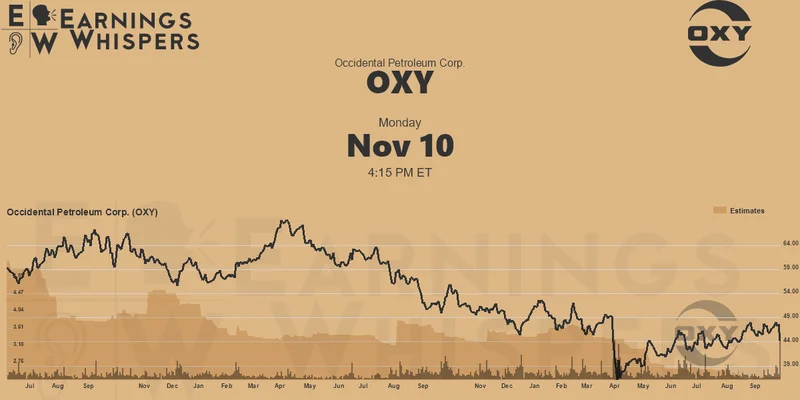
Warren Buffett's OXY Stock Play: The Latest Drama, Buffett's Angle, and Why You Shouldn't Believe the Hype
Solet'sgetthisstraight.Occide...
-

The Great Up-Leveling: What's Happening Now and How We Step Up
Haveyoueverfeltlikeyou'redri...
-

The Business of Plasma Donation: How the Process Works and Who the Key Players Are
Theterm"plasma"suffersfromas...
-
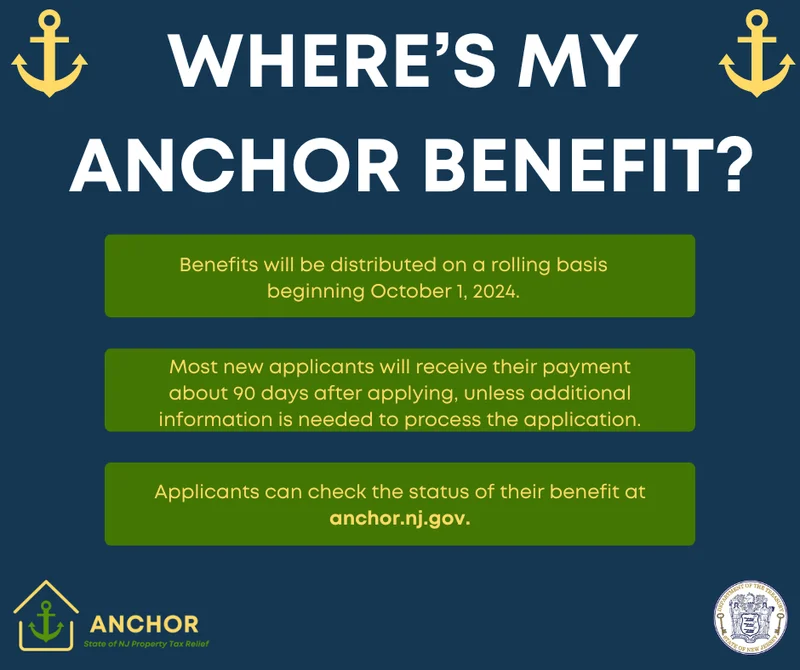
NJ's ANCHOR Program: A Blueprint for Tax Relief, Your 2024 Payment, and What Comes Next
NewJersey'sANCHORProgramIsn't...
-

The Future of Auto Parts: How to Find Any Part Instantly and What Comes Next
Walkintoany`autoparts`store—a...
- Search
- Recently Published
-
- Ethereum's Fusaka Upgrade: The 'Future' They're Selling vs. The Reality We'll Get
- TransUnion: Reimagining Credit's Future and Your Financial Journey
- Solana Acquires Vector.fun: Coinbase's "Everything Exchange" Strategy
- Scott Kirby at American Airlines: Decoding the Future of United Through His Past
- Nvidia Stock: Price Movements and Earnings Outlook
- Bitcoin: Price Today & Market Outlook
- Maxi Doge: Presale Buzz and Crypto News – What We Know
- Fear and Greed Index Plunges: Crypto Market Reactions and What We Know
- Pizza's Next Chapter: Innovation and Our Changing Tastes
- Firo Hard Fork: Likely Price Impact and What We Know
- Tag list
-
- Blockchain (11)
- Decentralization (5)
- Smart Contracts (4)
- Cryptocurrency (26)
- DeFi (5)
- Bitcoin (31)
- Trump (5)
- Ethereum (8)
- Pudgy Penguins (5)
- NFT (5)
- Solana (6)
- cryptocurrency (6)
- XRP (3)
- Airdrop (3)
- MicroStrategy (3)
- Stablecoin (3)
- Digital Assets (3)
- bitcoin (3)
- PENGU (3)
- Plasma (5)
- Zcash (7)
- Aster (5)
- investment advisor (4)
- crypto exchange binance (3)
- SX Network (3)