Snowflake's AI Push: Beyond RAG – What We Know
Snowflake's BUILD 2025 announcement of Snowflake Intelligence, particularly Agentic Document Analytics, signals a clear ambition: to move beyond the limitations of traditional Retrieval Augmented Generation (RAG) systems. The promise? Analyzing thousands of documents simultaneously and performing complex analytical queries directly on that data, all within Snowflake’s secure environment. The question, however, isn’t can they do it, but should they, and what are the real-world implications?
The Allure of Unified Analysis
Traditional RAG, as Jeff Hollan rightly points out, is akin to a librarian pointing you to the page. It's retrieval-focused. Snowflake is pitching something different: treating documents as queryable data sources. Think of it as turning a library into a giant spreadsheet. Agentic Document Analytics, powered by Cortex AISQL, extracts, structures, and indexes document content, allowing for SQL-like analytical operations. The example Kleinerman gives – "Show me a count of weekly mentions by product area in my customer support tickets for the last six months" – is compelling. It's about aggregation, not just retrieval. This is where Snowflake aims to differentiate itself from the vector database crowd (Pinecone, Weaviate) who have built businesses around retrieval-based RAG. [Source Title]: Snowflake builds new intelligence that goes beyond RAG to query and aggregate thousands of documents at once - VentureBeat
But here's where the data analyst in me raises an eyebrow. The claim is sub-second query performance on large datasets, thanks to Interactive Tables and Warehouses. Sub-second? On thousands of documents? That's a bold claim. What's the definition of "large"? What's the document complexity? These are crucial details that are conspicuously absent. (I've seen enough marketing demos to know that "sub-second" often means "sub-second on a carefully curated, tiny dataset.") The company isn't giving enough data to back that claim.

The Governance Advantage… Or Is It?
Snowflake's big selling point is keeping all data processing within its security boundary, addressing governance concerns. This is a legitimate concern for many enterprises who are wary of sending sensitive data to external AI services. OpenAI's Assistants API and Anthropic's Claude, while powerful, often bump against these data governance walls. Kleinerman emphasizes the value of AI being created by connecting with enterprise data, and he’s right. The problem is that Snowflake’s “zero-copy integration” with platforms like SharePoint, Slack, Microsoft Teams, and Salesforce presents its own set of governance challenges. Just because the data stays within Snowflake doesn't mean the access is automatically governed. You still need robust access controls, audit trails, and data loss prevention policies in place. And this is the part of the announcement I find genuinely puzzling; Snowflake seems to be implying that simply keeping the data "inside" magically solves all governance problems. It doesn’t.
Furthermore, consider the computational cost. Parsing, extracting, and indexing thousands of documents, even within Snowflake's environment, is going to be resource-intensive. What's the cost model? Will this make complex document analysis prohibitively expensive for some use cases? Snowflake isn't exactly known for being the cheapest option on the block.
The comparison to Databricks is also interesting. Databricks has been focused on bringing AI capabilities to lakehouses, but typically relies on vector databases for unstructured data. Snowflake is betting that its SQL engine and architecture can handle both structured and unstructured data analysis without the need for a separate vector database. This is a bet on architectural simplicity, but it also means Snowflake needs to convince developers that SQL is the right tool for every job.
So, What's the Real Story?
Snowflake Intelligence is a compelling vision. It addresses a real pain point: the limitations of traditional RAG systems for analytical queries. But the devil, as always, is in the details. The company needs to be more transparent about performance benchmarks, cost models, and the real governance implications of its zero-copy integration. Until then, I'm filing this under "promising, but needs more data.

-
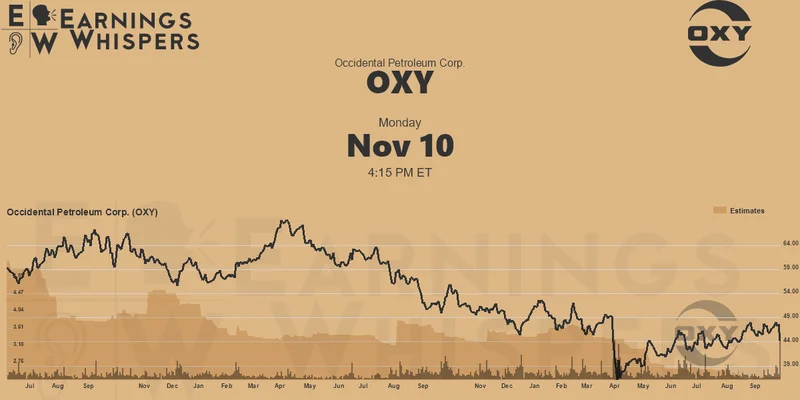
Warren Buffett's OXY Stock Play: The Latest Drama, Buffett's Angle, and Why You Shouldn't Believe the Hype
Solet'sgetthisstraight.Occide...
-

The Great Up-Leveling: What's Happening Now and How We Step Up
Haveyoueverfeltlikeyou'redri...
-

The Business of Plasma Donation: How the Process Works and Who the Key Players Are
Theterm"plasma"suffersfromas...
-
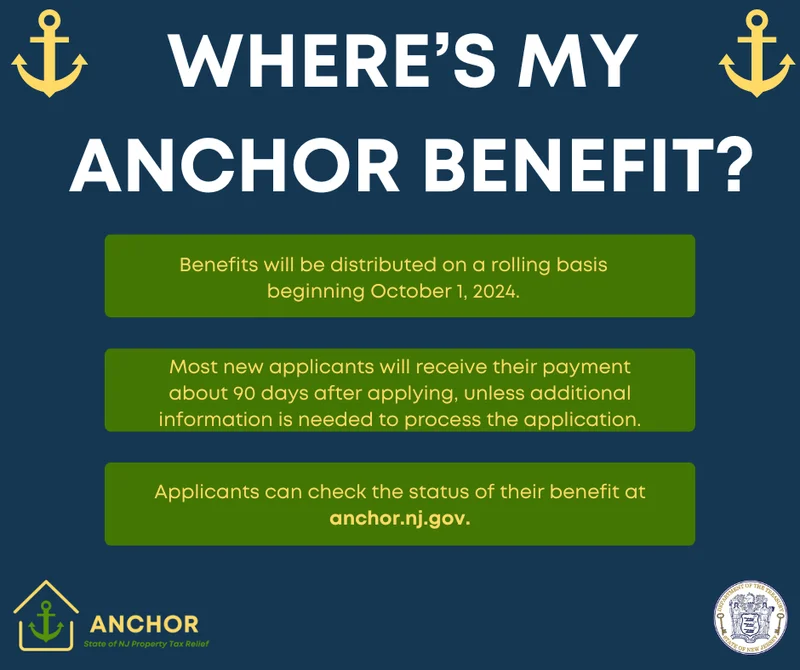
NJ's ANCHOR Program: A Blueprint for Tax Relief, Your 2024 Payment, and What Comes Next
NewJersey'sANCHORProgramIsn't...
-

The Future of Auto Parts: How to Find Any Part Instantly and What Comes Next
Walkintoany`autoparts`store—a...
- Search
- Recently Published
-
- Ethereum's Fusaka Upgrade: The 'Future' They're Selling vs. The Reality We'll Get
- TransUnion: Reimagining Credit's Future and Your Financial Journey
- Solana Acquires Vector.fun: Coinbase's "Everything Exchange" Strategy
- Scott Kirby at American Airlines: Decoding the Future of United Through His Past
- Nvidia Stock: Price Movements and Earnings Outlook
- Bitcoin: Price Today & Market Outlook
- Maxi Doge: Presale Buzz and Crypto News – What We Know
- Fear and Greed Index Plunges: Crypto Market Reactions and What We Know
- Pizza's Next Chapter: Innovation and Our Changing Tastes
- Firo Hard Fork: Likely Price Impact and What We Know
- Tag list
-
- Blockchain (11)
- Decentralization (5)
- Smart Contracts (4)
- Cryptocurrency (26)
- DeFi (5)
- Bitcoin (31)
- Trump (5)
- Ethereum (8)
- Pudgy Penguins (5)
- NFT (5)
- Solana (6)
- cryptocurrency (6)
- XRP (3)
- Airdrop (3)
- MicroStrategy (3)
- Stablecoin (3)
- Digital Assets (3)
- bitcoin (3)
- PENGU (3)
- Plasma (5)
- Zcash (7)
- Aster (5)
- investment advisor (4)
- crypto exchange binance (3)
- SX Network (3)