SpaceX Launch: Today's Schedule and What We Know
Generated Title: Sentinel-6B: How This Launch is More Than Just Another Satellite
Alright, space enthusiasts, buckle up! Because while the headlines might read "Sentinel-6B Launched on Falcon 9," the real story is so much bigger, so much more profound. This isn't just about putting another satellite in orbit; it's about safeguarding our future, armed with knowledge gleaned from the very seas that connect us all.
A Legacy of Watching Our Oceans
Think about it: for over thirty years, we've had eyes in the sky, tirelessly monitoring our oceans. It started with TOPEX/Poseidon, then the Jason series, and now the Sentinels. Each mission building upon the last, creating an unbroken record of sea level, wave height, and ocean winds. Sentinel-6B, launched aboard a SpaceX Falcon 9 from Vandenberg Space Force Base, is the latest chapter in this incredible story. And it's not just about continuing the legacy; it's about refining it, about giving us an even clearer picture of what's happening to our planet.
What strikes me most is the sheer scale of this international collaboration. EUMETSAT, NOAA, NASA, ESA, the EU Space Programme – everyone's pitching in! It's a testament to the global understanding that climate change is the challenge of our time, and it requires a united front. The Sentinel-6B carries a suite of advanced instruments, like Poseidon-4, a radar altimeter that bounces radio waves off the ocean surface to precisely measure its height. It’s like giving the Earth a check-up, constantly monitoring its vital signs.
And then there's the Advanced Microwave Radiometer for Climate (AMR-C). This clever piece of tech measures water vapor in the atmosphere, correcting any interference it might cause to Poseidon-4's readings. It’s attention to detail like this that elevates Sentinel-6B from a mere satellite to a precision instrument.
But here’s the truly mind-blowing part: Sentinel-6B doesn’t just collect data; it calibrates other satellites. After a year of running alongside its sister, Sentinel-6A, it will become the reference mission for all other altimetry satellites. That's like setting the gold standard for ocean monitoring, ensuring everyone else is measuring with the same yardstick.
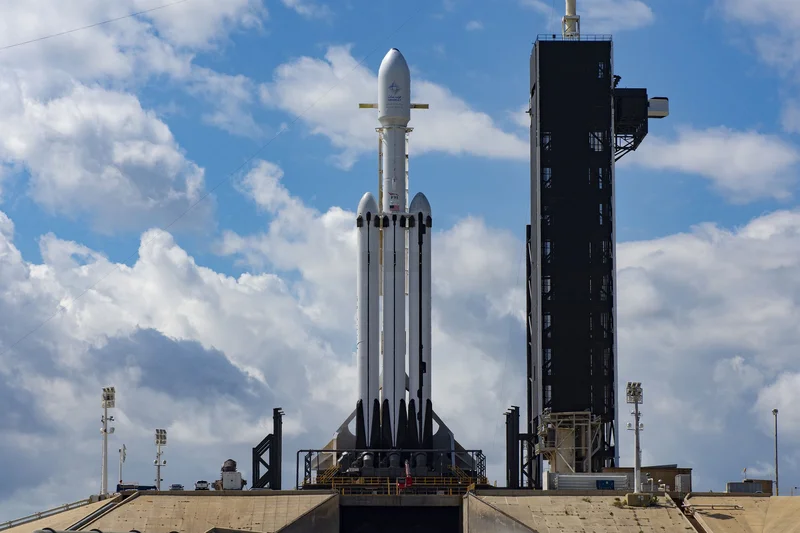
The Falcon 9's role in all of this can't be overstated either. SpaceX is really becoming a workhorse for these crucial missions. This launch marks the third time a Jason/Sentinel-6 satellite has been lofted by a Falcon 9, and it highlights the reliability and reusability of these rockets. Seeing booster B1097.3 return to Landing Zone 4 for a successful touchdown was just icing on the cake!
This isn't just about scientific instruments and rocket launches; it’s about protecting our coastal communities, improving weather forecasting, and supporting commercial sea activities. It's about giving us the data we need to make informed decisions about our future.
But here's the question that keeps me up at night: Are we really listening to the data? Are we acting quickly enough on the information these satellites are providing? Because while Sentinel-6B can give us the warnings, it's up to us to heed them. It’s our responsibility to translate that data into meaningful action.
I remember the excitement around the launch of TOPEX/Poseidon back in 1992. It felt like we were entering a new era of Earth observation, and in many ways, we were. But fast forward to today, and the urgency is even greater. We're not just exploring; we're trying to understand and mitigate the impacts of a changing climate.
What’s really impressive is the sheer precision of Sentinel-6B. It needs to know its exact position in space when it takes its readings, and that’s where the Precise Orbit Determination (POD) package comes in. It uses a combination of technologies, including Doppler Orbitography and Radiopositioning Integrated by Satellite (DORIS) – a system that uses the Doppler shift of signals from ground-based beacons – and Global Navigation Satellite System (GNSS) receivers to pinpoint its location. In simpler terms, it's like having a super-accurate GPS for space!
And I can’t help but wonder, what new technologies will we see on the next generation of ocean-monitoring satellites? Will we have even more precise instruments? Will we be able to predict extreme weather events with greater accuracy? The possibilities are truly endless.
It's a Lighthouse in the Sky
The launch of Sentinel-6B is more than just another spacex launch today or a spacex rocket launch. It's a beacon of hope, a testament to human ingenuity, and a reminder that we have the tools to understand our planet. We just need the will to use them wisely.

-
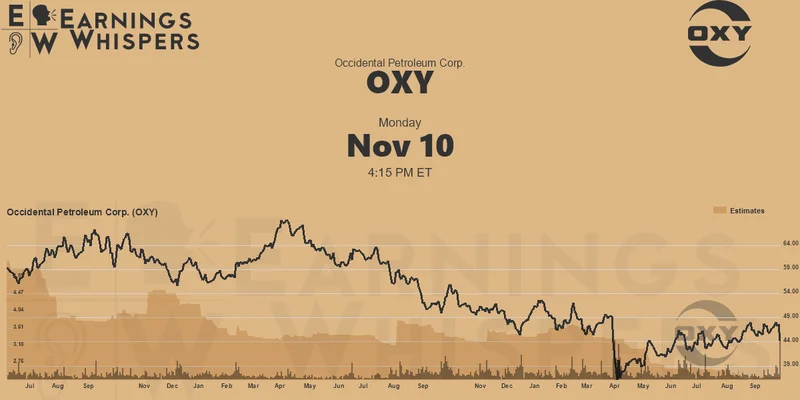
Warren Buffett's OXY Stock Play: The Latest Drama, Buffett's Angle, and Why You Shouldn't Believe the Hype
Solet'sgetthisstraight.Occide...
-

The Great Up-Leveling: What's Happening Now and How We Step Up
Haveyoueverfeltlikeyou'redri...
-

The Business of Plasma Donation: How the Process Works and Who the Key Players Are
Theterm"plasma"suffersfromas...
-
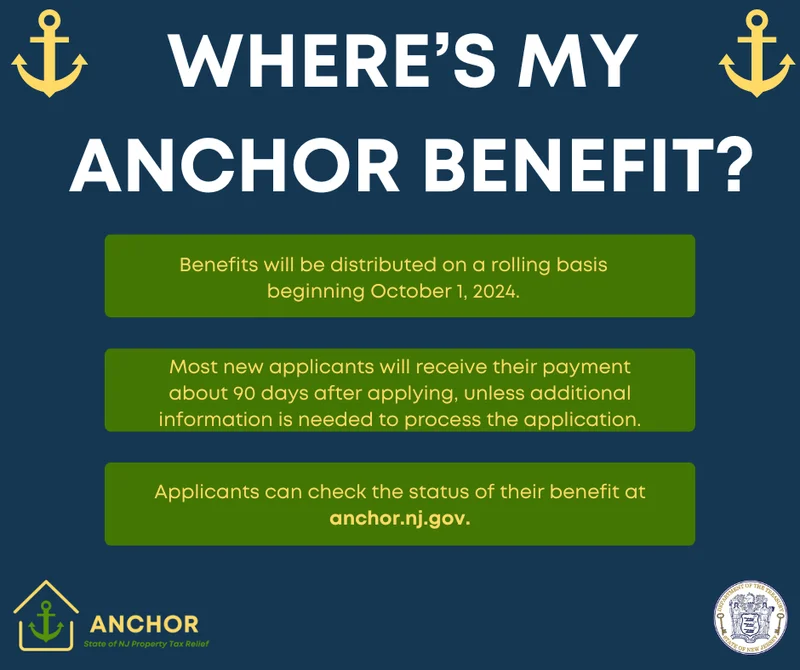
NJ's ANCHOR Program: A Blueprint for Tax Relief, Your 2024 Payment, and What Comes Next
NewJersey'sANCHORProgramIsn't...
-
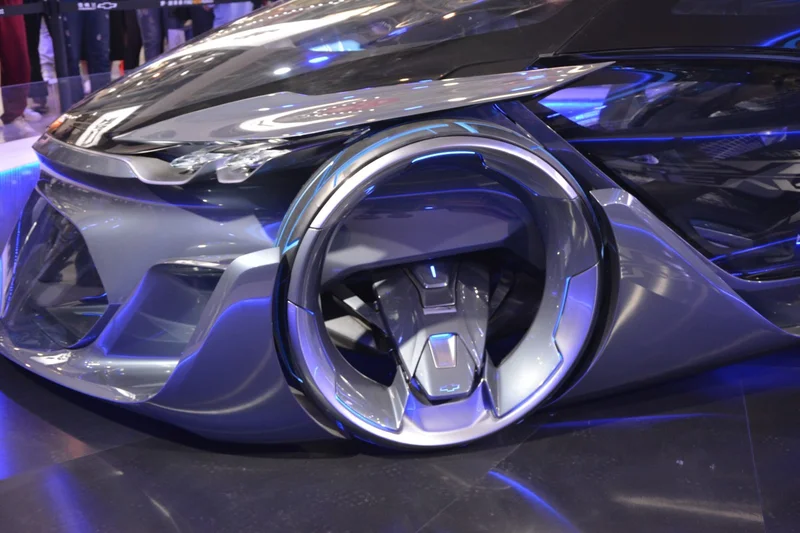
The Future of Auto Parts: How to Find Any Part Instantly and What Comes Next
Walkintoany`autoparts`store—a...
- Search
- Recently Published
-
- Ethereum's Fusaka Upgrade: The 'Future' They're Selling vs. The Reality We'll Get
- TransUnion: Reimagining Credit's Future and Your Financial Journey
- Solana Acquires Vector.fun: Coinbase's "Everything Exchange" Strategy
- Scott Kirby at American Airlines: Decoding the Future of United Through His Past
- Nvidia Stock: Price Movements and Earnings Outlook
- Bitcoin: Price Today & Market Outlook
- Maxi Doge: Presale Buzz and Crypto News – What We Know
- Fear and Greed Index Plunges: Crypto Market Reactions and What We Know
- Pizza's Next Chapter: Innovation and Our Changing Tastes
- Firo Hard Fork: Likely Price Impact and What We Know
- Tag list
-
- Blockchain (11)
- Decentralization (5)
- Smart Contracts (4)
- Cryptocurrency (26)
- DeFi (5)
- Bitcoin (31)
- Trump (5)
- Ethereum (8)
- Pudgy Penguins (5)
- NFT (5)
- Solana (6)
- cryptocurrency (6)
- XRP (3)
- Airdrop (3)
- MicroStrategy (3)
- Stablecoin (3)
- Digital Assets (3)
- bitcoin (3)
- PENGU (3)
- Plasma (5)
- Zcash (7)
- Aster (5)
- investment advisor (4)
- crypto exchange binance (3)
- SX Network (3)