Rocket Launch Today: What's Up and What's Next
The Space Race Isn't Over—It's Just Getting Started
Okay, folks, buckle up. Because what we're seeing right now in space exploration isn't just incremental progress—it's a full-blown acceleration. We're talking about a future where access to space is becoming almost routine. And this week's launches? They're not just news; they're a signpost pointing directly to that future.
SpaceX just pulled off a double Starlink launch, sending two Falcon 9 rockets into the heavens within a few hours of each other. Live updates from SpaceX back-to-back rocket launch doubleheader at Cape Canaveral, Florida ULA (United Launch Alliance) also successfully launched its Atlas 5, carrying the ViaSat-3 F2 satellite after a minor setback. That's three major launches in a single week! It’s not just about putting satellites into orbit; it’s about building a robust, reliable infrastructure for accessing space. And when I see this level of activity, I can't help but feel like a kid again, watching the Apollo missions and dreaming of what's possible. It’s like we're on the cusp of a new era, a new frontier.
Building the Highway to Space
What's truly exciting is the frequency of these launches. SpaceX is normalizing spaceflight with its reusable Falcon 9 boosters. We're talking about a booster, B1092, that has flown eight times. Eight times! That's not just a rocket; it's a workhorse. It’s like turning a disposable camera into a DSLR—suddenly, a whole new level of accessibility and capability unlocks. And with each successful landing—the 132nd for 'A Shortfall of Gravitas' and the 533rd overall for SpaceX—we're driving down the cost of space travel. This is the key.
Then you have ULA, overcoming technical challenges and launching the ViaSat-3 F2 satellite. This satellite, boasting over 1 terabit per second of capacity, promises to bring high-speed internet to the Americas. Think about that: bridging the digital divide, connecting remote communities, and enabling new possibilities for education, healthcare, and economic development. What would that mean for you?
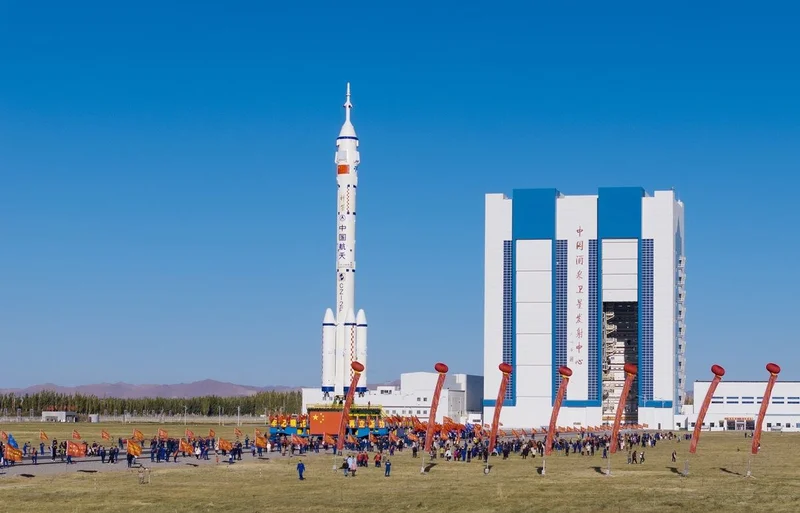
ULA had to replace a faulty liquid oxygen tank vent valve on the Atlas booster, rolling the rocket back to the Vertical Integration Facility and then back to the pad. Honestly, this is the kind of nitty-gritty problem-solving that defines real innovation. It's not always glamorous, but it's essential.
This is all happening against a backdrop of increasing demand for satellite services, from broadband internet to Earth observation. We're building the infrastructure, piece by piece, to support a future where space is integrated into our daily lives. Think about the possibilities: real-time global communication, precision agriculture, disaster monitoring, and so much more. The potential is truly limitless.
But with this power comes responsibility. We need to think critically about the ethical implications of increased space activity. How do we ensure equitable access to space resources? How do we mitigate the risks of space debris and protect the orbital environment? These are questions we need to address proactively, not reactively.
What does this mean for the future? Are we looking at a new space race, not between nations but between companies? Will this increased activity lead to breakthroughs we can't even imagine yet?
A Thousand Points of Light, Reaching for the Stars
When I see these launches, I don't just see rockets and satellites. I see the culmination of decades of research, engineering, and human ingenuity. I see the potential for a future where space is accessible to all, where its resources are used to benefit humanity, and where our dreams of exploring the cosmos become a reality. This isn't just about technology; it's about hope. It’s about what we can achieve when we dare to reach for the stars.

-
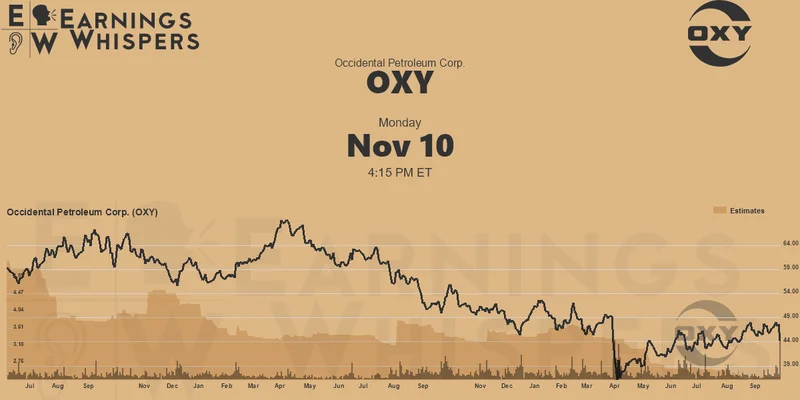
Warren Buffett's OXY Stock Play: The Latest Drama, Buffett's Angle, and Why You Shouldn't Believe the Hype
Solet'sgetthisstraight.Occide...
-

The Great Up-Leveling: What's Happening Now and How We Step Up
Haveyoueverfeltlikeyou'redri...
-

The Business of Plasma Donation: How the Process Works and Who the Key Players Are
Theterm"plasma"suffersfromas...
-

NJ's ANCHOR Program: A Blueprint for Tax Relief, Your 2024 Payment, and What Comes Next
NewJersey'sANCHORProgramIsn't...
-
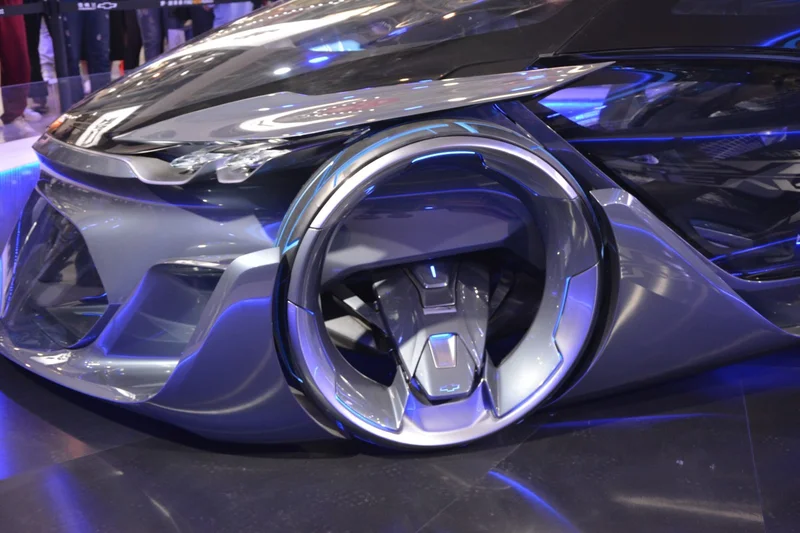
The Future of Auto Parts: How to Find Any Part Instantly and What Comes Next
Walkintoany`autoparts`store—a...
- Search
- Recently Published
-
- Ethereum's Fusaka Upgrade: The 'Future' They're Selling vs. The Reality We'll Get
- TransUnion: Reimagining Credit's Future and Your Financial Journey
- Solana Acquires Vector.fun: Coinbase's "Everything Exchange" Strategy
- Scott Kirby at American Airlines: Decoding the Future of United Through His Past
- Nvidia Stock: Price Movements and Earnings Outlook
- Bitcoin: Price Today & Market Outlook
- Maxi Doge: Presale Buzz and Crypto News – What We Know
- Fear and Greed Index Plunges: Crypto Market Reactions and What We Know
- Pizza's Next Chapter: Innovation and Our Changing Tastes
- Firo Hard Fork: Likely Price Impact and What We Know
- Tag list
-
- Blockchain (11)
- Decentralization (5)
- Smart Contracts (4)
- Cryptocurrency (26)
- DeFi (5)
- Bitcoin (31)
- Trump (5)
- Ethereum (8)
- Pudgy Penguins (5)
- NFT (5)
- Solana (6)
- cryptocurrency (6)
- XRP (3)
- Airdrop (3)
- MicroStrategy (3)
- Stablecoin (3)
- Digital Assets (3)
- bitcoin (3)
- PENGU (3)
- Plasma (5)
- Zcash (7)
- Aster (5)
- investment advisor (4)
- crypto exchange binance (3)
- SX Network (3)