Starlink Satellites: How Many Are Up There and What Do They Do?
Title: Starlink's Data Center Dream: A Numbers Game or Just Pie in the Sky?
SpaceX continues its Starlink expansion, launching another 29 satellites aboard a Falcon 9 rocket. The booster, B1092, marked its eighth flight, a testament to reusability. What's more interesting than the launches themselves, however, is Elon Musk's vision of turning these satellites into orbiting data centers. Is it a feasible plan, or just more Muskian hyperbole? Let's look at the numbers.
The Scale of the Starlink Constellation
Currently, over 10,000 satellites are in orbit, with Starlink making up a significant portion. While roughly 1,000 have re-entered the atmosphere (about one or two a day, the report says), the operational constellation remains massive. Musk proposes scaling up the V3 Starlink satellites, which already boast high-speed laser links, to serve as data centers. These V3 satellites are significantly heavier than their predecessors, the V2 Minis, weighing in at around 2,000 kilograms—almost four times the mass. Elon Musk: Future Starlink Satellites Will Become Orbiting Data Centers
The rationale for space-based data centers is compelling: mitigating the environmental impact of power-hungry AI operations on Earth. And Musk has a point. The laser links already transmit data at up to 200Gbps, creating a mesh network in space. But the question is this: can the economics work?
Data Centers in the Sky: Power, Cooling, and Cost
Operating a data center in space presents unique challenges. Power is a big one. Starcloud, a startup also eyeing space-based AI, plans to use solar power. That makes sense, but solar power in orbit isn't free. You need larger panels, sophisticated energy storage, and efficient power distribution. Then there's cooling. While space is cold, dissipating heat in a vacuum requires specialized radiators and careful thermal management. It's not like popping in a few server fans.
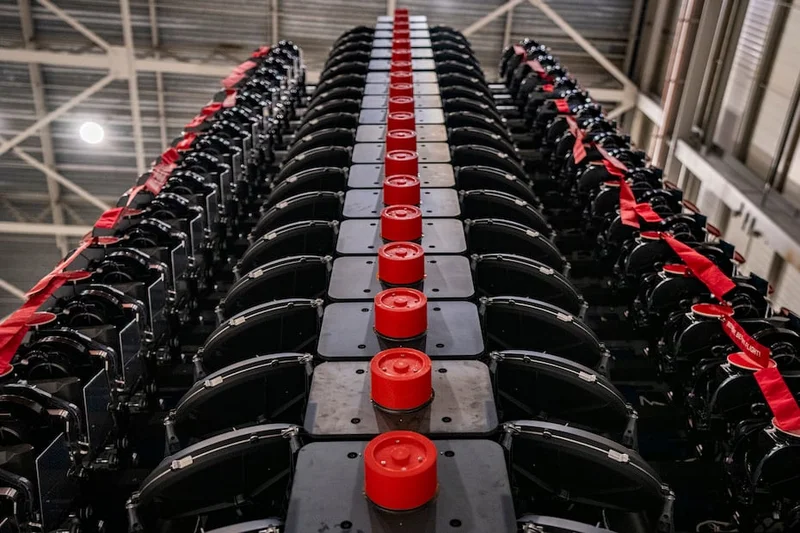
And this is the part of the report that I find genuinely puzzling: the economics of it all. Ground-based data centers benefit from economies of scale. You build massive facilities, optimize power consumption, and leverage existing infrastructure. In space, every kilogram launched adds significant cost. Starship is supposed to reduce that cost, but Starship is still in testing.
The launch cadence is also crucial. SpaceX is launching Starlink satellites frequently—the recent launch was Starlink 6-89. But can they launch enough of these massive V3 satellites to create a viable network of orbiting data centers? And at what cost? The report mentions a Falcon 9 launch for Starcloud's test satellite. That gives you a sense of the demand.
Solar Storms: An Existential Threat?
There's one more factor to consider: space weather. The increasing number of satellites raises concerns about their susceptibility to solar storms. Geomagnetic storms can disrupt satellite operations and even cause them to fail. Starlink's mesh network design offers some redundancy, but a major solar event could still cripple the system. It's an unquantifiable risk, but it's a risk nonetheless. SpaceX's Starlink and other satellites face growing threat from sun
The Real Question: Is It Economically Viable?
Musk's vision is bold, but the devil is always in the details—specifically, the financial details. Building data centers in space requires overcoming significant technical and economic hurdles. While the laser link technology and the potential for mitigating environmental impact are promising, the cost of launching, powering, and cooling these orbiting facilities remains a major question mark. Until SpaceX can demonstrate a clear path to profitability, the idea of Starlink as a network of orbiting data centers remains, in my opinion, just a futuristic dream.

-
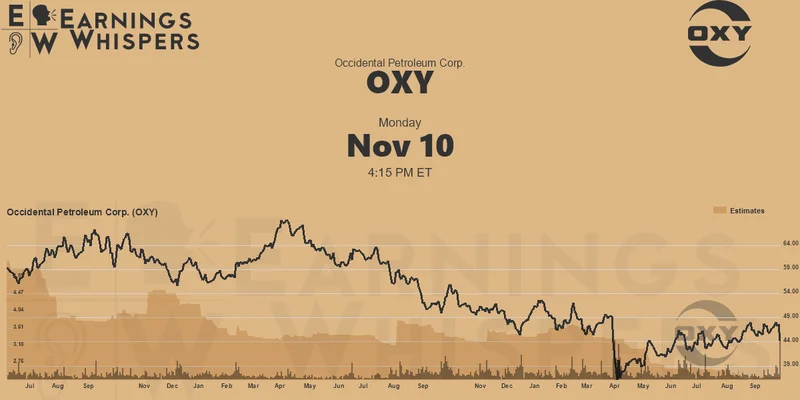
Warren Buffett's OXY Stock Play: The Latest Drama, Buffett's Angle, and Why You Shouldn't Believe the Hype
Solet'sgetthisstraight.Occide...
-

The Great Up-Leveling: What's Happening Now and How We Step Up
Haveyoueverfeltlikeyou'redri...
-

The Business of Plasma Donation: How the Process Works and Who the Key Players Are
Theterm"plasma"suffersfromas...
-

NJ's ANCHOR Program: A Blueprint for Tax Relief, Your 2024 Payment, and What Comes Next
NewJersey'sANCHORProgramIsn't...
-
The Future of Auto Parts: How to Find Any Part Instantly and What Comes Next
Walkintoany`autoparts`store—a...
- Search
- Recently Published
-
- Ethereum's Fusaka Upgrade: The 'Future' They're Selling vs. The Reality We'll Get
- TransUnion: Reimagining Credit's Future and Your Financial Journey
- Solana Acquires Vector.fun: Coinbase's "Everything Exchange" Strategy
- Scott Kirby at American Airlines: Decoding the Future of United Through His Past
- Nvidia Stock: Price Movements and Earnings Outlook
- Bitcoin: Price Today & Market Outlook
- Maxi Doge: Presale Buzz and Crypto News – What We Know
- Fear and Greed Index Plunges: Crypto Market Reactions and What We Know
- Pizza's Next Chapter: Innovation and Our Changing Tastes
- Firo Hard Fork: Likely Price Impact and What We Know
- Tag list
-
- Blockchain (11)
- Decentralization (5)
- Smart Contracts (4)
- Cryptocurrency (26)
- DeFi (5)
- Bitcoin (31)
- Trump (5)
- Ethereum (8)
- Pudgy Penguins (5)
- NFT (5)
- Solana (6)
- cryptocurrency (6)
- XRP (3)
- Airdrop (3)
- MicroStrategy (3)
- Stablecoin (3)
- Digital Assets (3)
- bitcoin (3)
- PENGU (3)
- Plasma (5)
- Zcash (7)
- Aster (5)
- investment advisor (4)
- crypto exchange binance (3)
- SX Network (3)